Tithes in the Digital Age: What Happens When Your Church Passes the Bitcoin Basket
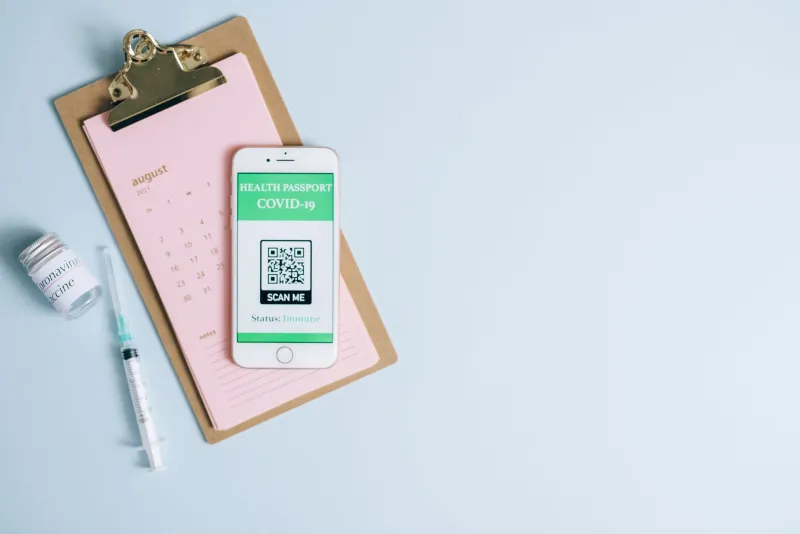
Sunday morning in a mid-sized evangelical church in Nashville looks pretty familiar — hymns, a sermon, coffee in the lobby. But tucked beside the wooden offering boxes near the exit, there's a laminated card with a QR code printed on it. Scan it, and you can send Bitcoin directly to the church's wallet before you even reach your car.
It sounds like a novelty. But across America, from Baptist congregations in Texas to Catholic parishes in Chicago and progressive synagogues in Brooklyn, religious organizations are quietly warming up to cryptocurrency donations. And the ripple effects — spiritual, financial, and practical — are more complicated than a simple QR code suggests.
Why Churches Are Opening Their Wallets to Bitcoin
The motivations vary depending on who you ask. Some pastors frame it as meeting their congregation where they are — and increasingly, where younger members are is inside a digital wallet. A 2023 survey from Lifeway Research found that Gen Z and millennial churchgoers are significantly more likely to give digitally than through cash or check. Bitcoin is simply the next logical step in that evolution.
Others see it as a stewardship issue. A few forward-thinking church treasurers have pointed out that a congregation that received Bitcoin donations even two or three years ago and held onto them would be sitting on significantly appreciated assets today. For a small church operating on a shoestring budget, that kind of upside is hard to ignore.
Then there's the mission angle. Several faith-based nonprofits — particularly those doing international work — have started accepting Bitcoin because it cuts through the friction of cross-border wire transfers. Sending funds to a missionary in a country with an unstable banking system is a lot smoother when you're moving sats instead of dollars through a tangle of correspondent banks.
The Theology of Digital Money
Not everyone in the pews is on board, and the resistance isn't just generational. Some religious thinkers have raised genuine theological concerns about Bitcoin's association with speculation, volatility, and — depending on who's preaching — greed.
"There's a real conversation happening in a lot of denominations about whether encouraging people to give an asset they might be hoping appreciates in value is the same as encouraging genuine generosity," says one seminary professor who asked not to be named while the discussion is still sensitive within his institution. "Are you giving to God, or are you giving to get a tax break on an appreciated asset?"
That last point is sharper than it sounds.
The IRS Is Very Much in the Room
Here's where things get interesting for donors who are also investors. The IRS treats Bitcoin as property, not currency. That means when you donate appreciated Bitcoin to a qualifying 501(c)(3) organization — which most churches are — you can potentially deduct the fair market value of the crypto at the time of the gift without recognizing the capital gain. It's the same principle that makes donating appreciated stock so attractive to high-net-worth donors.
Say you bought one Bitcoin at $10,000 and it's now worth $60,000. If you sell it, you owe capital gains tax on that $50,000 gain. But if you donate that Bitcoin directly to your church, you may be able to deduct the full $60,000 fair market value — and skip the capital gains bill entirely. That's a meaningful tax advantage, and tax professionals who work with crypto donors say awareness of this strategy is growing fast.
Of course, the church has to actually be set up to receive and manage crypto for any of this to work smoothly. Many smaller congregations are still figuring out the infrastructure side, which creates its own headaches.
The Practical Mess Behind the Mission
Accepting Bitcoin sounds simple until you start asking questions like: Who controls the private keys? Does the church convert to dollars immediately, or hold the asset? What happens if the treasurer who set up the wallet leaves? How does the church issue a proper donation receipt that satisfies IRS documentation requirements?
Some churches are sidestepping the complexity by partnering with third-party crypto giving platforms — services that handle the conversion and reporting on the organization's behalf, depositing dollars into the church's bank account while giving the donor a clean record of their crypto contribution. It's a workable solution, though it does introduce fees and another layer of trust.
Larger denominations with professional finance teams are better positioned to hold crypto directly and make strategic decisions about when to liquidate. Smaller congregations often lack that capacity, which means the "Bitcoin-accepting church" experience varies wildly depending on where you worship.
What This Means for Bitcoin's Legitimacy
Zoom out from the individual congregation, and you start to see the bigger picture. Religious institutions are among the most trusted civic organizations in American life. When your church starts accepting Bitcoin — not as a gimmick, but as a genuine part of its financial infrastructure — it sends a signal that's hard to dismiss.
Bitcoin's critics have long argued that it's a toy for speculators, a vehicle for criminals, or a solution in search of a problem. But every time a mainstream institution — a church, a university, a hospital foundation — integrates crypto into its operations, that narrative gets a little harder to sustain.
For Bitcoin holders watching their investment mature into something resembling actual mainstream acceptance, this is exactly the kind of organic cultural adoption that matters. It's not a tweet from a celebrity or a Super Bowl commercial. It's a QR code on a card next to the offering box in a church that's been part of its community for a hundred years.
Should You Donate Bitcoin to Your Church?
If you're a Bitcoin holder attending a church that accepts crypto, the tax math alone is worth a conversation with a CPA before you decide. The potential to give more — and keep more — by donating appreciated assets rather than cash is real and documented. But the strategy only works if your church is properly registered, can issue valid receipts, and has a clear process for handling the donation.
And if your congregation isn't there yet? That QR code by the door might be closer than you think. The number of faith-based organizations exploring crypto acceptance is growing every year, driven partly by donor demand and partly by the simple reality that younger generations give differently than their parents did.
The offering plate has always evolved — from coins to paper bills to checks to Venmo. Bitcoin is just the next verse in a very long hymn.