Selling the Skyline: How Remote Workers Are Cashing Out of Big Cities and Buying Into a Bitcoin Lifestyle
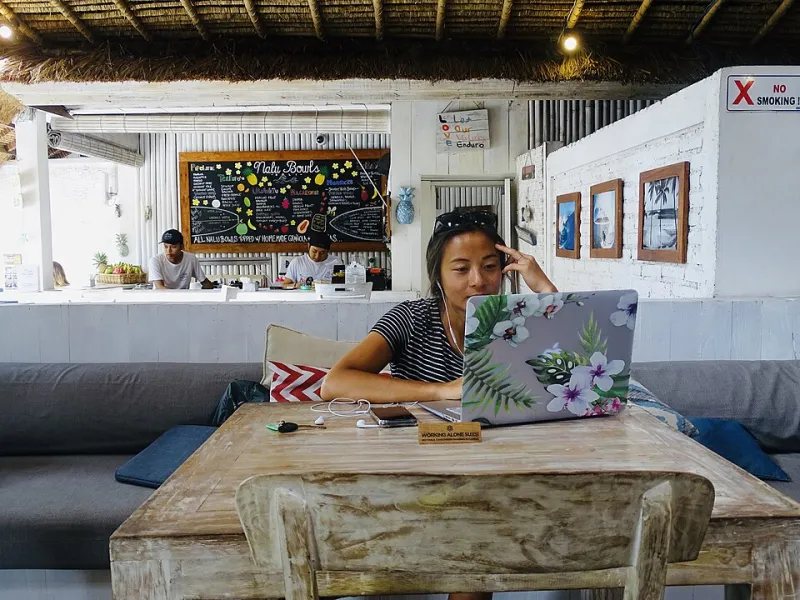
Photo: DominikaMiazek, CC BY-SA 4.0, via Wikimedia Commons
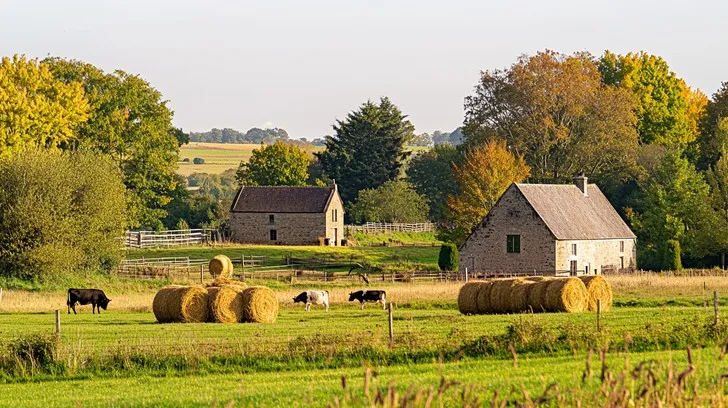
There's a specific kind of freedom that doesn't show up on any corporate benefits package. It's the kind that lets you close your laptop on a Tuesday afternoon, walk out the back door, and be standing in a field — or on a mountain trail, or beside a creek — without a single skyscraper in sight. For a growing number of American remote workers, Bitcoin isn't just an investment. It's the key that unlocked that door.
The remote work revolution that COVID-19 turbocharged never really reversed. What changed is the financial layer underneath it. Workers who got paid in crypto, accumulated Bitcoin during the bull runs, or simply started thinking differently about money discovered something powerful: when your income isn't tied to a ZIP code, neither is your life. And when you pair that mobility with the purchasing power that digital assets can provide in lower-cost markets, the calculus of where to live shifts dramatically.
The Numbers That Made People Pack Up
Let's be honest about what's driving this. A one-bedroom apartment in San Francisco averages well over $3,000 a month. In Austin, it's still pushing $1,800. But in Bozeman, Montana? Knoxville, Tennessee? Tulsa, Oklahoma? You're looking at figures that can be half that or less — and in some corners of rural Appalachia or the Great Plains, you can buy a house outright for what a San Franciscan pays in rent over three years.
For remote workers earning tech-sector salaries or freelance rates pegged to coastal markets, relocating doesn't mean taking a pay cut. It means an instant, dramatic raise in real purchasing power. Add Bitcoin gains on top of that — even modest ones — and suddenly the math for early financial independence starts working out.
Marcus, a 34-year-old DevOps engineer who left Seattle for a small city in eastern Tennessee, put it plainly: "I was earning good money in Seattle and still felt broke. I moved here, my rent dropped by $1,400 a month, and I started stacking sats more aggressively because I actually had breathing room. Within two years I had a down payment on a house. That would have taken me a decade in Seattle."
Bitcoin as the Bridge
For many of these relocators, cryptocurrency played a dual role. First, it served as the savings vehicle that made the move financially viable — a volatile but potentially high-growth alternative to a savings account that could rapidly outpace inflation. Second, and more practically, it provided income flexibility for freelancers and contractors who already operated in a borderless digital economy.
Some remote workers actively negotiated crypto compensation. Others simply converted a portion of their traditional income into Bitcoin as a hedge against the rising cost of city living. A handful built entire freelance businesses serving crypto-native companies that pay in digital assets.
Sarah, a UX designer who relocated from Brooklyn to a small arts community in western North Carolina, describes her transition as "going Bitcoin-native by accident." She picked up a few clients in the DeFi space, started getting paid in stablecoins and BTC, and realized the volatility that scared off her friends was actually manageable when her monthly expenses had dropped by sixty percent. "When your burn rate is low, you can afford to be patient with Bitcoin," she says. "Volatility feels different when you're not desperate."
The Practical Stuff Nobody Talks About Enough
This lifestyle isn't without friction, and it's worth being straight about the complications.
Tax implications are real and they're serious. If you're selling Bitcoin to fund your relocation or cover living expenses, every sale is a taxable event. Depending on how long you held the asset, you're looking at either short-term capital gains (taxed as ordinary income) or long-term rates. Some states have no income tax — Tennessee, Texas, and Florida among them — which is part of why those states keep showing up on relocation lists. Working with a CPA who understands crypto accounting isn't optional; it's essential.
Banking access can be spotty in rural areas. Not every small town has a crypto-friendly bank or credit union nearby, and some community banks are still wary of customers with significant digital asset activity. Many relocated remote workers maintain accounts with online-first banks or credit unions comfortable with crypto, while keeping a local account for everyday spending.
Volatility management takes discipline. The workers who've made this transition successfully tend to follow a similar playbook: keep six to twelve months of living expenses in stablecoins or cash, dollar-cost average into Bitcoin with a fixed monthly amount, and resist the urge to time the market. The lower cost of living is itself a buffer — it reduces the pressure to liquidate during downturns.
What This Means for the Towns They're Moving To
The ripple effects of this migration are starting to show up in unexpected places. Small towns that have spent decades watching young people leave are suddenly seeing a different kind of newcomer: educated, remote-employed, and often bringing Bitcoin-influenced financial philosophies with them.
In some communities, that's translated into new small businesses, higher demand for local services, and a quiet but growing interest in crypto-friendly commerce. A coffee shop owner in a small Montana town mentioned that three of her regular morning customers were remote tech workers who had moved to town in the past two years. Two of them had asked if she accepted Bitcoin.
She didn't yet. But she was thinking about it.
This is how adoption spreads — not through flashy headlines, but through neighbors. Through the new person at the farmers market who mentions they bought their land with crypto gains. Through the freelancer at the co-working space who explains how he pays his quarterly taxes on Bitcoin income. The land of Bitcoin expands not just digitally, but geographically — one affordable town at a time.
Is This Right for You?
Relocating your life around a crypto-informed financial strategy isn't for everyone. It requires genuine risk tolerance, solid financial discipline, and a willingness to build community from scratch in a new place. The workers who thrive in this model tend to be people who were already comfortable with uncertainty — which, frankly, is a trait that overlaps heavily with early Bitcoin adopters.
But if you're staring at a rent bill that feels like it's eating your future, and your job can be done from anywhere with a decent internet connection, it might be worth running the numbers. The frontier isn't just digital anymore.